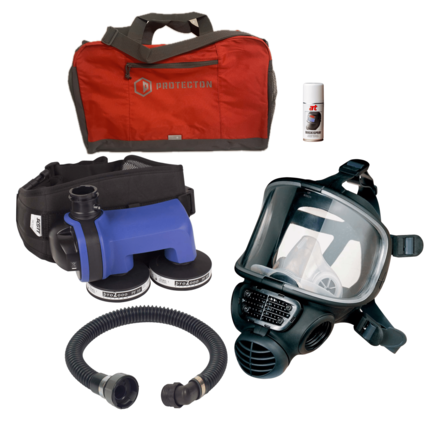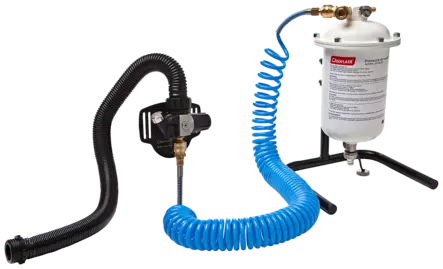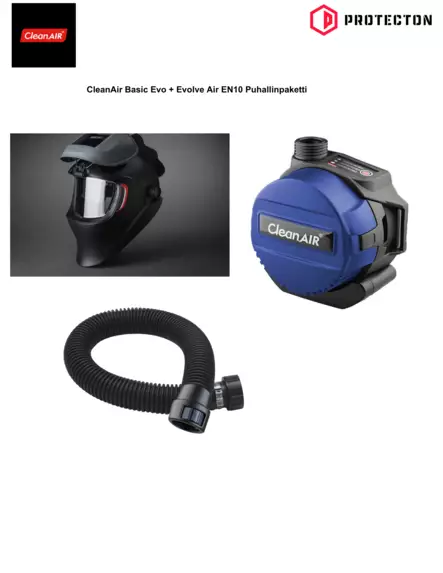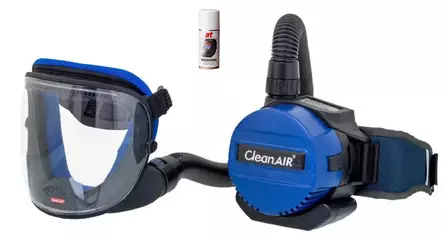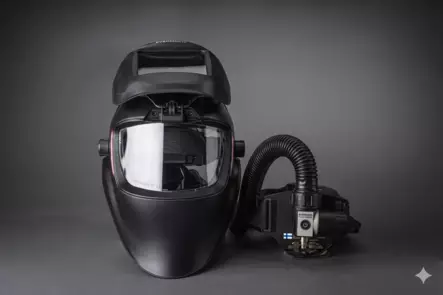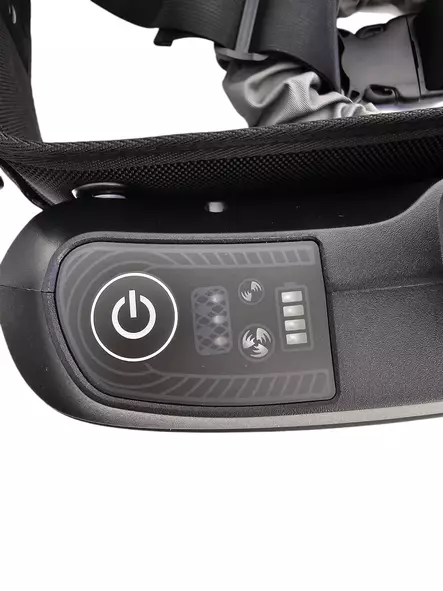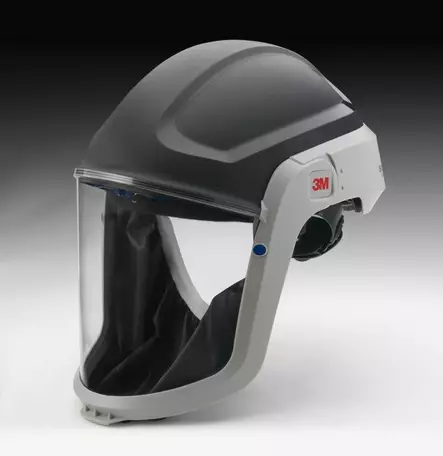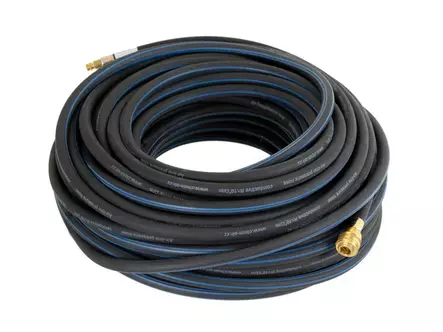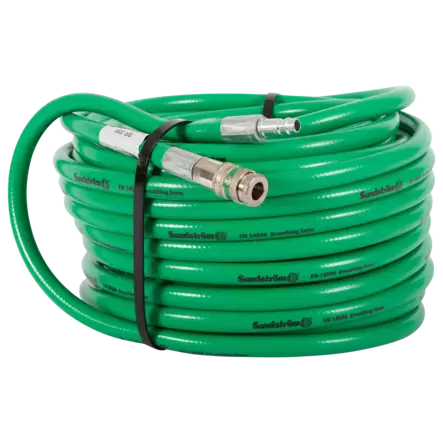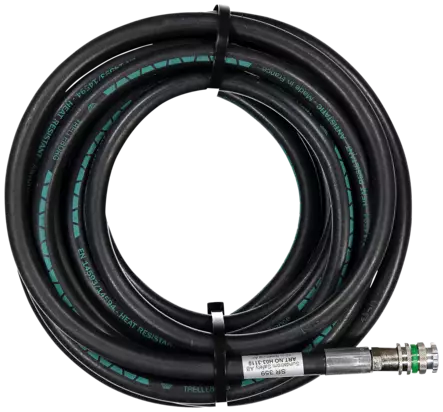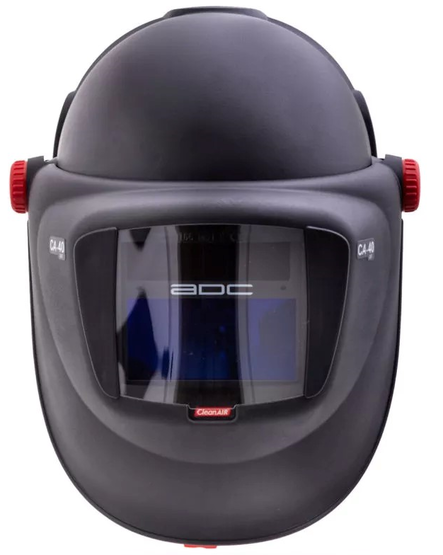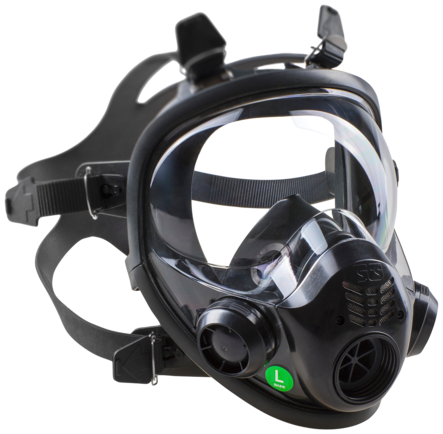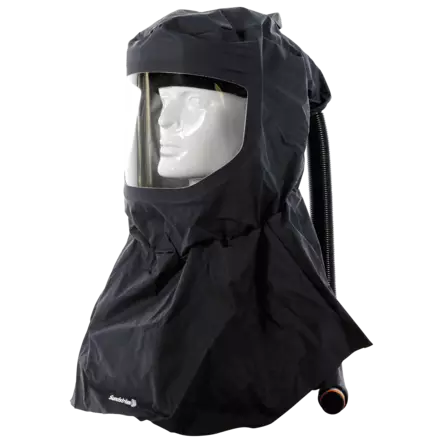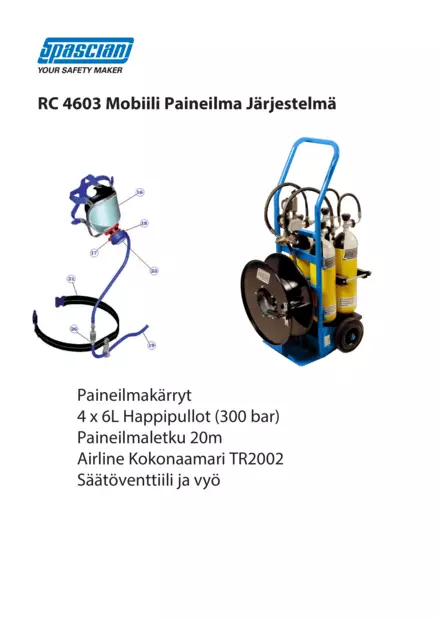
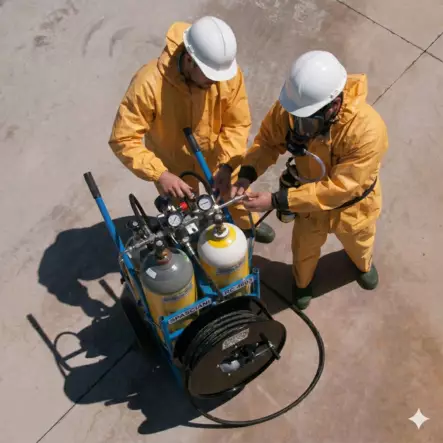
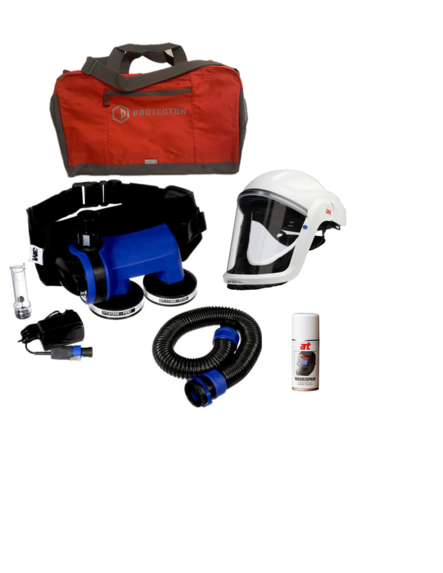
Sundström SR 99-1 and SR 200 Airline compressed air respirator kit
In stock now
Powered air purifying respirator (PAPR) solutions for professional use. Our powered respirators, helmets and hoods provide steady, filtered airflow for lower breathing resistance, comfort and visibility during long shifts. Ideal as a powered air purifying respirator for construction and maintenance tasks. Explore more in Hengityssuojaimet.
Use in sanding, painting, and asbestos removal. Suitable in construction sites, industry, shipyards and logistics hubs.
Blower units, batteries, filters, hoses and headtops. Many models are EN 12941 compliant PAPR systems for dependable safety and durability. Compare options under Hengityssuojaimet.


In stock now
In stock now

1–2 weeks
1–2 weeks

1–5 business days


In stock now
1–2 weeks
In stock now
In stock now
In stock now


In stock now
1–5 business days

1–2 weeks
1–2 weeks


1–2 weeks
In stock now
1–2 weeks
1–2 weeks
1–5 business days

1–5 business days
In stock now
In stock now
1–5 business days


1–2 weeks
In stock now
In stock now
In stock now
1–2 weeks


1–5 business days
In stock now

1–5 business days

1–2 weeks


1–2 weeks

1–5 business days
1–5 business days
In stock now

1–2 weeks

1–2 weeks


1–5 business days
1–2 weeksOur powered air purifying respirator range supports professional use in demanding environments. The category includes complete motorized respirator systems, blower units, batteries, particle and gas filters, hoses, hoods, helmets and faceshields. These solutions improve worker safety, durability and comfort compared to passive respirators, especially over long shifts. Explore the full Respiratory Protection lineup in our parent category Hengityssuojaimet.
A powered air purifying respirator uses a battery-driven blower to pull air through filters and deliver it to the wearer’s headtop, hood, helmet or facepiece. It reduces breathing resistance, provides consistent airflow and helps maintain protection over longer shifts.
PAPR respirators are used in construction sites, industry, shipyards and property maintenance. They are chosen for grinding and dusty work, painting, surface preparation and asbestos removal, where extended wear time and steady airflow improve safety and comfort.
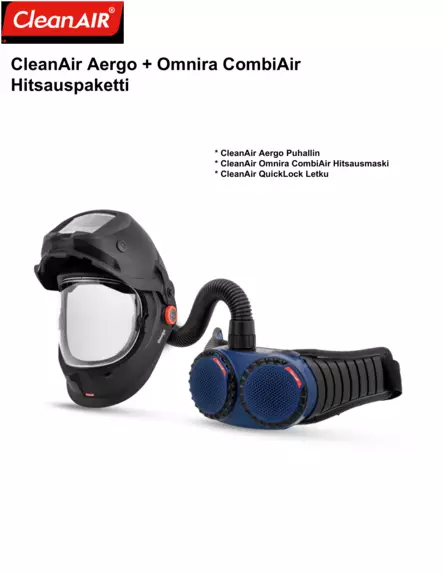
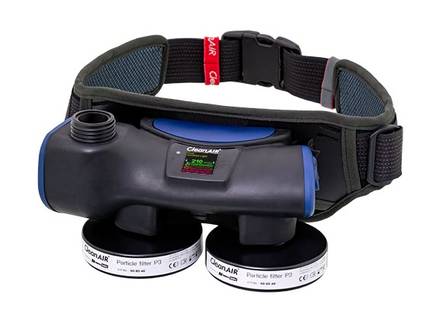
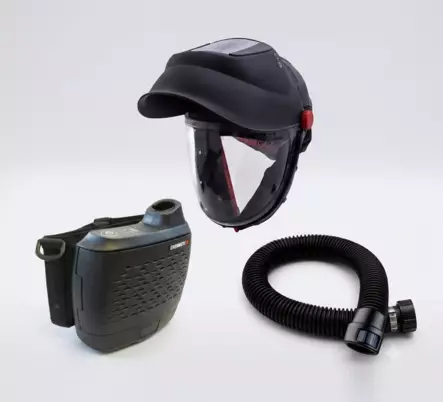
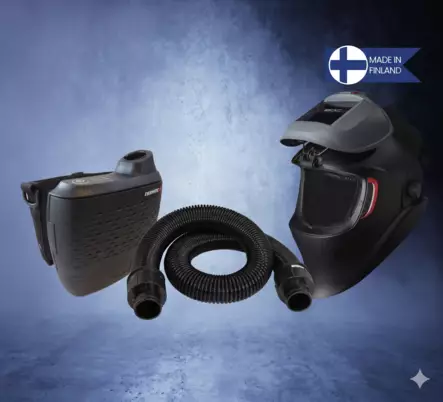
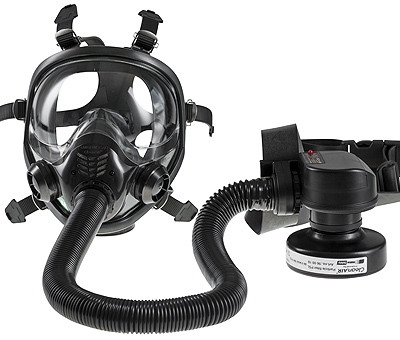
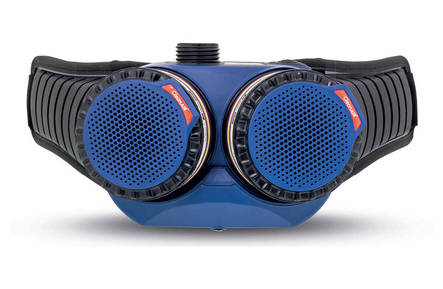
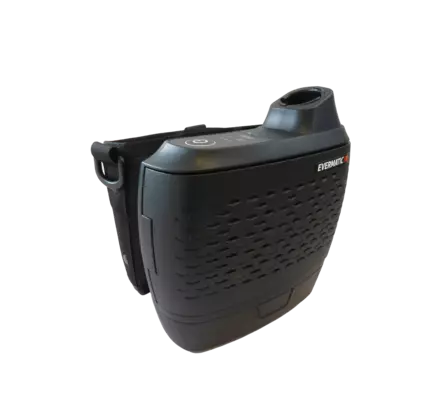
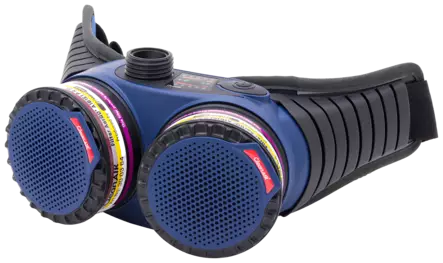
A typical system includes a blower unit, battery, filter or cartridge, breathing hose and a headtop such as a hood, helmet or faceshield. Many systems also offer belt harnesses, spark guards and pre-filters to extend filter life.
Match the filter to the hazard and select a headtop suited to the task. Use particle filters for dust and grinding, gas or combined filters for painting and solvents, and high-efficiency particle filters for asbestos abatement. Pick a hood, faceshield or helmet based on the required face and head protection.
Look for compliance with EN 12941 or EN 12942. Protection classes like TH2 or TH3 indicate increasing levels of protection. Always verify that the selected PAPR matches your site’s risk assessment and local safety requirements.
A PAPR reduces breathing effort and provides a cooling airflow inside the headtop. This helps reduce heat stress and improves comfort during long shifts, especially in hot environments and physically demanding tasks.
Many systems integrate with industrial helmets, earmuffs and face shields. Check the manufacturer’s compatibility charts and ensure the combination is tested as a system to maintain certified protection.
Run time typically ranges from 4 to 12 hours depending on airflow settings, filter loading and battery capacity. Charge batteries at room temperature, use approved chargers and keep a rotation plan to cover full shifts.
Wipe the blower and hose with approved disinfectants, wash reusable headtops as instructed and let all parts dry fully. Inspect seals, hoses and gaskets for wear, and replace damaged components immediately to maintain protection.
Loose-fitting hoods do not require fit testing, while tight-fitting facepieces do. All users still need training on assembly, pre-use checks, airflow verification, filter changes and battery management.
Yes, if you use personal face seals or disposable inner shrouds and follow strict cleaning protocols. Assigning each user a personal head seal improves hygiene and reduces downtime between shifts.
Stop the task safely, check for kinked hoses, blocked pre-filters or saturated filters, and verify the battery charge. Replace filters or batteries as needed, and do not continue until airflow is restored.
Ensure the visor seal seats correctly, confirm the airflow setting, and keep intake openings clear. Replace worn face seals and verify that compatible headgear and clothing do not obstruct the airflow path.
Replace particle filters when breathing resistance or alarms increase, when filters are damaged or wet, or according to your maintenance schedule. For gas cartridges, follow end-of-service-life indicators and your change-out plan.
Use PAPR respirators in environments with airborne dust, fumes and aerosols. Typical applications include grinding, cutting, sanding, spray painting and chemical handling. Industry examples include construction, manufacturing, shipyards and facility upkeep, where consistent airflow supports productivity and reduces heat strain. For broader options and compatible parts, visit our Hengityssuojaimet category.
PAPR respirators help raise occupational safety, extend wear time and stabilize protection when tasks vary during the day. They are a smart upgrade from disposable masks for teams seeking durable equipment and predictable performance. Review system kits and accessories, compare protection classes