SIR SAFETY
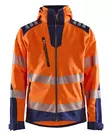
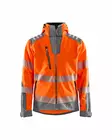
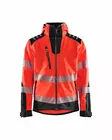
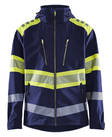
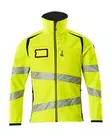
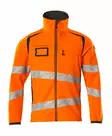
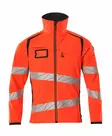
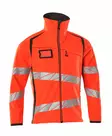
20% Cotton Blend | LK2 |Durable| 280g
20% Cotton Blend | LK2 |Durable| 280g
 1–2 weeks
81,95 €(tax incl.)
65,30 €(tax excl.)
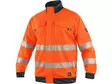
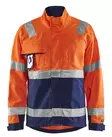
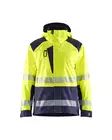
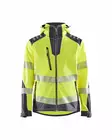
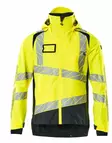
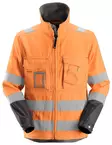
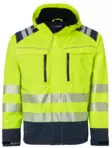
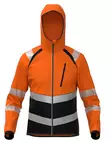
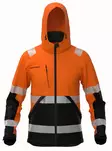
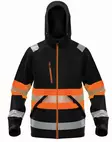
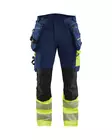
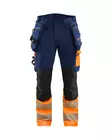
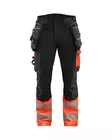
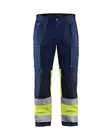
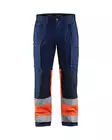
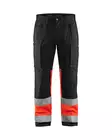
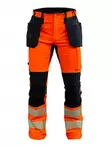
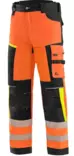
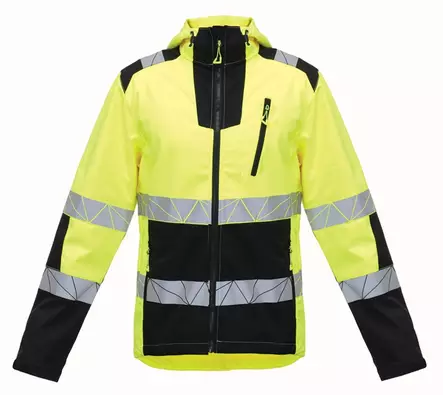
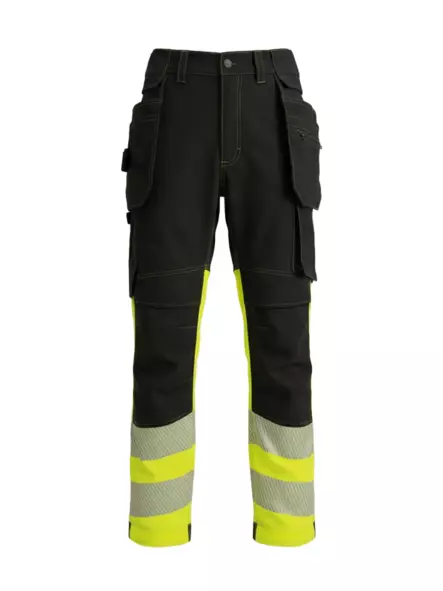
Flame retardant workwear is designed to protect workers from sparks, heat and flame hazards in demanding industrial environments. The category includes both high-visibility flame resistant clothing and FR workwear without hi-vis certification, depending on site requirements and working conditions.
Flame resistant workwear is typically used in two different situations. The first is hot work, where protection from sparks, flames and heat is required during tasks such as welding, cutting or metal work.
The second situation is when site safety regulations require protective clothing. Many industrial sites, refineries and energy facilities require flame resistant or multinorm clothing even when hot work is not actively performed.
Multinorm workwear means garments that comply with several safety standards at the same time. Many industrial worksites require certification according to multiple standards, for example:
EN ISO 20471 – high visibility protective clothing
EN ISO 11612 – protection against heat and flame
IEC / EN 61482-2 – protection against electric arc hazards
EN 1149-5 – antistatic protection
EN ISO 11611 – protection for welding and allied processes
Electricians typically require arc flash protection in addition to flame resistance. Today many industrial sites require at least arc protection class 2 (ATPV) according to IEC / EN 61482-2.
Flame resistant garments are generally made using two different types of fabric.
Heavier fabrics with high cotton content are commonly used for hot work. Cotton-rich fabrics tolerate sparks and heat better, making them suitable for welding and other hot work environments.
Lighter fabrics are often used where flame resistance is required mainly due to site regulations. These garments are common among installers, electricians, maintenance workers and personnel working during industrial shutdowns.
Many modern FR garments use inherent flame-resistant fibres, where the protection is built into the fibre structure. These fabrics are typically lighter and more breathable, making them suitable for hot environments or physically demanding work.
Shipyards, oil refineries, industrial plants, energy facilities, maintenance shutdowns, electrical installations, industrial pipe insulation work, district heating welding, industrial maintenance.
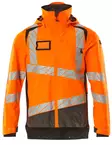
Orange flame-resistant fabric is technically more complex to manufacture and therefore typically more expensive. For this reason it is less common than other colours.
Fabrics with lower cotton content and more synthetic fibres often perform better in wet conditions and rain. However, they usually do not tolerate welding sparks as well as cotton-rich flame resistant fabrics.
Need help selecting the right flame resistant or multinorm protective clothing? Contact our sales team or request a quote for your company.
1–2 weeks 1–2 weeks
 1–5 business days
 1–5 business days
 1–5 business days

 In stock now
 1–5 business days
 1–5 business days
 1–5 business days
 In stock now
 1–5 business days
 In stock now
 1–5 business days
 In stock now
 In stock now
 In stock now
 1–5 business days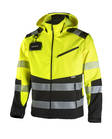

 1–5 business days
 1–5 business days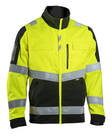
 1–5 business days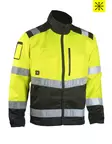


 In stock now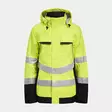
 In stock now


 In stock now
 1–2 weeks

 In stock now

 1–2 weeks
 1–5 business days
 1–5 business days
 1–5 business days
 1–5 business days
 1–2 weeks
 1–5 business days
 1–2 weeks
 1–2 weeks
 In stock now
 In stock now

 1–2 weeks
 In stock now
 1–2 weeks
 1–5 business days
 1–5 business days
 In stock now
 In stock now
 In stock now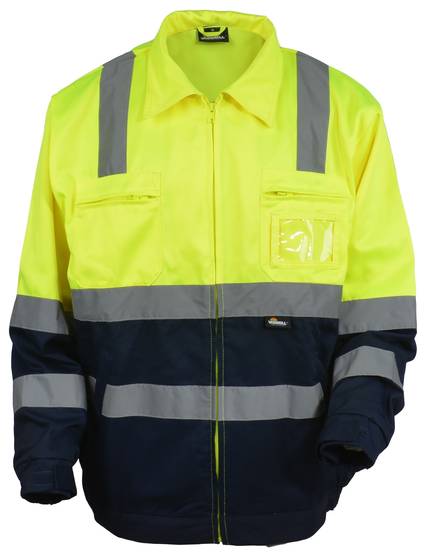
 1–2 weeks
 1–5 business days
 In stock now
 In stock now
 In stock now
 In stock now


 1–5 business days
 In stock now

 In stock now
 1–2 weeks