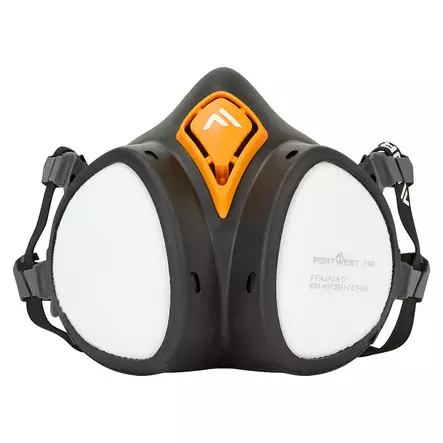
Portwest P440 Half Mask A2P3 R D
1–2 weeks
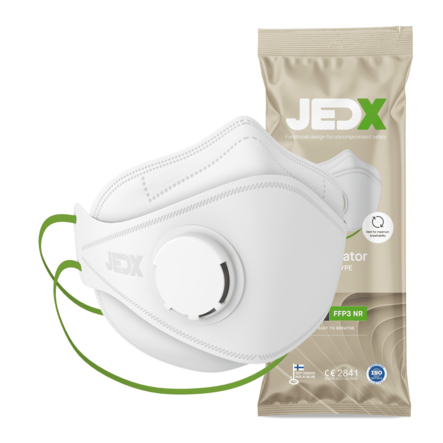
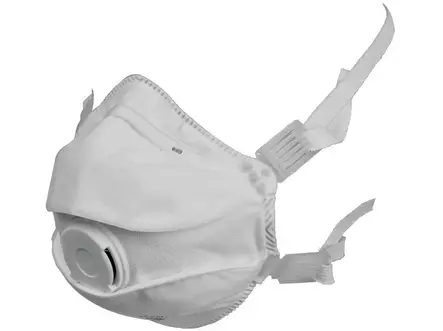
Choose reliable particulate respiratory protection for demanding shifts. Our FFP2 and FFP3 particulate respirators—disposable filtering facepieces and valved models—deliver high filtration efficiency, low breathing resistance and a secure fit. Options with activated carbon reduce odours. All models comply with EN 149:2001+A1:2009. Ideal as an FFP3 particulate respirator for silica dust or an EN 149 compliant FFP2 mask for routine dust control. Explore more in Respiratory Protection.
Silica and mineral dust, insulation removal, sanding, grinding, welding fumes (particulates), warehouse dust.
Construction sites, manufacturing, logistics centers, shipyards, property maintenance.
Need help with selection or a bundled solution? Contact our sales or request a quote for your company. See all Hengityssuojaimet.

1–2 weeks
1–5 business days
1–5 business days


1–5 business days
1–5 business days
In stock now


1–2 weeks

In stock now
1–2 weeksFFP2 respirators protect against medium levels of dust and airborne particles in cutting, drilling, and sanding. FFP3 respirators provide higher filtration for fine dust and bioaerosols in welding fumes, insulation removal, and handling mineral fibers. Choose FFP3 when exposure levels are uncertain or variable to maintain consistent safety margins.
Use a disposable particle respirator for short jobs, visitors, or sporadic tasks. Select a reusable half mask with replaceable filters for daily use, higher dust loads, or long shifts where comfort and fit are essential. Reusable options often reduce total cost over multi-week projects.
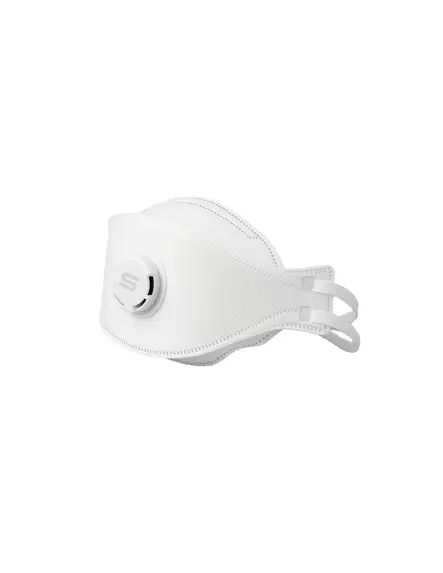
A vented hiukkassuojain improves heat and moisture management during demanding physical work. A non-vented model filters both inhaled and exhaled air, which is important for source control near sensitive materials. Follow site rules and confirm with safety management before selecting a vented model.
Perform a user seal check every time you don the mask. Position the respirator high on the nose, shape the nose clip, and tighten straps evenly. Inhale sharply while covering the filter area; the mask should pull inward without leaks. Schedule formal fit testing according to company policy and standards.
Yes, with proper selection. Choose low-profile designs that do not lift frames or break the face seal. Pair with slim temple glasses and helmet-mounted earmuffs to prevent strap conflicts. After adding each PPE item, recheck the seal to ensure no gaps have formed.
Duration depends on dust load, breathing resistance, and hygiene. Replace the respirator if breathing becomes harder, the mask is damaged, the interior is damp or soiled, or when the manufacturer’s recommended time is reached. Do not reuse single-use models across shifts or store them unprotected.
Check the FFP class, conformity mark, and standard reference on the cup or fold. Ensure labels match your procurement specifications and site safety procedures. Keep records of approved models to streamline audits and repeat orders.
Store in a clean, dry place away from sunlight and oils. Use sealed pouches or lockers. Do not crush molded cups or bend nose clips. For reusable masks, remove or seal filters as instructed and clean the facepiece with approved agents to extend service life.
Reshape the nose clip and seat the mask higher on the bridge. Balance strap tension to avoid gaps near the cheeks. Consider a model with improved nose foam or a vented version where policy allows. Anti-fog coatings on eyewear further reduce condensation.
Upgrade to FFP3 when dust levels rise, tasks extend, or medical monitoring highlights elevated risk. For very high loads or heat stress, consider powered air-purifying solutions. Always confirm selection with a documented risk assessment and supervisor approval.
No. Particle respirators only capture solid and liquid aerosols. For gases or vapors, select an appropriate combined filter with a compatible mask or a powered system, verified against identified contaminants.
Key terms include hengityssuojain FFP2, hengityssuojain FFP3, venttiilillinen hiukkassuojain, suodattava hengityssuojain, and kertakäyttöinen hengityssuojain. Use these in requisitions to specify protection class, comfort features, and packaging. For a full overview of options, see our Hengityssuojaimet category.
This category covers professional respiratory protection: disposable particle respirators, reusable half masks, and accessories. Products are designed for building sites, logistics hubs, manufacturing lines, property maintenance, and shipyards. Typical use cases include sanding, drilling, welding fumes, insulation handling, and sandblasting. The goal is clear: consistent safety, durable materials, and all-day comfort that supports productivity and compliance.
Choose FFP2 for medium dust exposure and FFP3 for fine particulate or unknown levels. Prioritize a secure seal, low breathing resistance, and compatibility with helmets and safety glasses. If you manage larger teams, standardize on a compact range to simplify training and stock. For detailed product comparisons and stock availability, visit Hengityssuojaimet and filter by class, valve, and size.
Need a straightforward path to compliance? Define the job, the environment, and the exposure time. Match these with protection class, comfort features, and required standards. Add company logo printing to storage pouches where identification supports faster issuance and returns. This practical approach reduces downtime and supports safe, efficient work.
Do you need help with product selection or a turnkey solution for your crews?