Headband earmuffs
Choose reliable over-the-head earmuffs for professional crews who need predictable attenuation day after day. Our passive industrial earmuffs with adjustable headband and soft cushions provide stable fit, high SNR and lasting comfort in mobile work. Leading choices include Peltor Optime and Hellberg models. When helmet slots aren’t required, see the full range in Hearing Protection.
Over-the-head industrial earmuffs
Suitable environments: construction sites, industry, shipyards, logistics centers. Typical tasks: grinding, drilling, sanding, maintenance inspections. For broader selection and specs, explore all Hearing Protection.
Need help with product selection or a turnkey set? Contact our sales team or request a quote for your company.
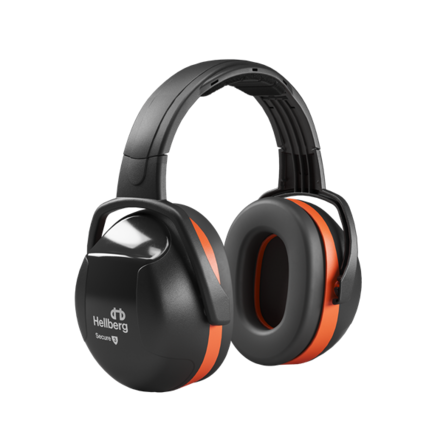
Hellberg Hearing protection secure 3 headband
1–2 weeks

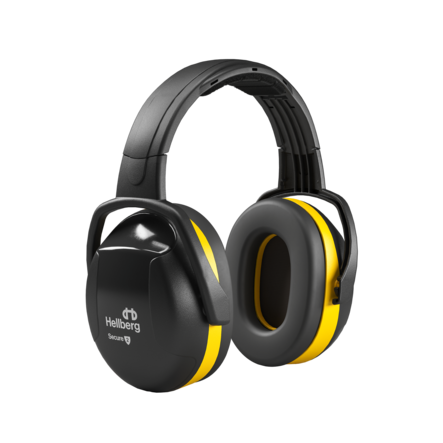
Hellberg Hearing protection secure 2 headband
1–2 weeks

Hellberg Hearing protection secure1 headband
1–2 weeks

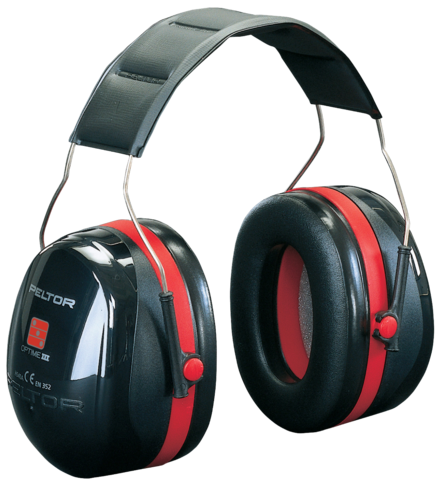
3M Peltor Optime I Hearing protection Bandal


SNR 34 dB Headband
1–2 weeks


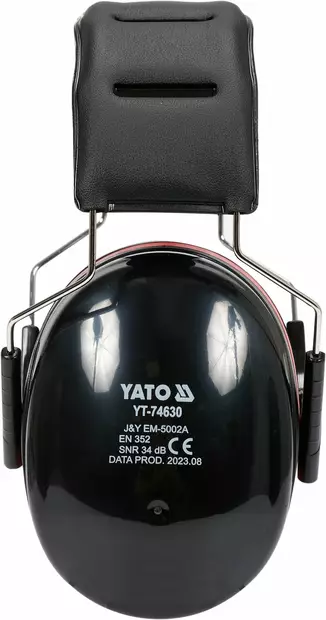
Yato Hearing protection headband

PW43 Hearing protector Comfort with strap
1–2 weeks
FAQ - Frequently Asked Questions: Headband earmuffs
What are headband earmuffs and when should I choose them?
Headband earmuffs are hearing protectors with an over-the-head band. Choose them when you need quick on/off protection, compatibility with most hard hats using a separate headband, and consistent attenuation across shifts and sites. They are a reliable option for industrial hearing protection in variable tasks.
Which noise levels do they cover and what SNR should I look for?
Select SNR based on measured or estimated noise. For moderate noise (85–95 dB), SNR 20–26 is typically suitable. For high noise (95–105 dB), SNR 27–31 is recommended. For very high noise (over 105 dB), consider SNR 31+ or double protection with earplugs. Always avoid over-attenuation that isolates critical warning sounds.
Are passive earmuffs sufficient for most industrial tasks?
Yes, passive earmuffs cover the majority of continuous noise scenarios such as machine halls, fabrication lines, and woodworking. They are robust, simple to maintain, and cost-effective. For fluctuating noise or communication needs, consider electronic level-dependent models.
How do headband earmuffs fit with helmets and other PPE?
Headband earmuffs fit over the head and work with most safety glasses and disposable respirators. If you wear a helmet daily, helmet-mounted earmuffs may be more practical. Check seal integrity around spectacle temples and respirator straps to prevent leakage.
What standards should I require for professional use?
Look for EN 352 certification and a clearly stated SNR. Many models from Peltor Optime and Hellberg meet EN 352 and include HML values for different frequency ranges. For explosive atmospheres or specialty sectors, verify any additional approvals required by site rules.
How do I size and adjust headband earmuffs for a proper seal?
Extend the sliders evenly, center the cups over the ear, and press gently to ensure full contact with the head. Hair, caps, and spectacle frames must not break the seal. A correct fit feels snug, not painful, and maintains constant cup pressure during movement.
How should I maintain and clean the cushions and headband?
Wipe cushions and cups with mild soap solution and a damp cloth. Do not use solvents or high heat. Replace hygiene kits, including cushions and foam inserts, every 6 months in regular use or sooner in hot, sweaty environments. Inspect headband tension and cup shells for cracks monthly.
Can I replace parts like cushions and liners myself?
Yes, most professional headband earmuffs support user-replaceable hygiene kits. Follow the manufacturer’s instructions to snap in new cushions and foam liners. Always use original parts to maintain certified attenuation levels.
What is the typical service life in daily industrial use?
With correct care, the cup shells and headband may last several years. Hygiene kits typically need replacement twice per year. If the product is exposed to oils, sparks, or UV, inspect more frequently and replace at the first signs of hardening, tearing, or loss of headband tension.
How do I troubleshoot poor attenuation or discomfort?
Check the fit and ensure the cushions are soft and undamaged. Verify that glasses or respirator straps are not breaking the seal. If noise levels feel high, choose a higher SNR or combine with earplugs. For pressure points, adjust the slider evenly or try a model with softer cushions.
Are there recommended brands for heavy-duty environments?
Peltor Optime and Hellberg earmuffs are proven in construction, logistics hubs, and heavy industry. They offer reliable SNR ranges, robust headbands, and widely available hygiene kits. Choose models aligned with your measured noise spectrum and task duration.
Where can I compare headband earmuffs with other hearing protection?
You can review the full range and compare specifications in our hearing protection category. For a quick overview of alternatives, start from our Kuulosuojaimet page and filter by SNR, brand, and mounting type.
Headband earmuffs for professional use
Headband earmuffs provide dependable hearing protection for teams working in changing environments. The category includes passive earmuffs for continuous noise and advanced models designed for long wear times. Typical benefits are stable attenuation, fast donning, and easy hygiene kit replacement. They support safety objectives by reducing exposure to harmful noise while maintaining awareness of alarms when correctly specified.
Use cases include tasks near compressors, metal cutting, packaging lines, and site traffic. Suitable industries include construction sites, manufacturing plants, shipyards, and property maintenance. When comparing options, focus on SNR, HML values, cup design, cushion softness, and weight. Brands like Peltor Optime and Hellberg offer proven solutions for demanding shifts and multi-user pools.
For teams that need a simple, durable solution, passive headband earmuffs are often the best starting point. When helmet use is mandatory, verify compatibility or consider switching to helmet-mounted models in the broader Kuulosuojaimet category. Always train users on correct fit to achieve the rated attenuation and to meet company hearing conservation targets.
Need help balancing comfort, protection level, and total cost over the product lifecycle? Our specialists can recommend models for short, medium, or extended wear, and advise on hygiene kit intervals to keep performance consistent across shifts.
Do you need assistance with product selection or a fleet-wide solution? Contact our sales team or request a quote for your company.