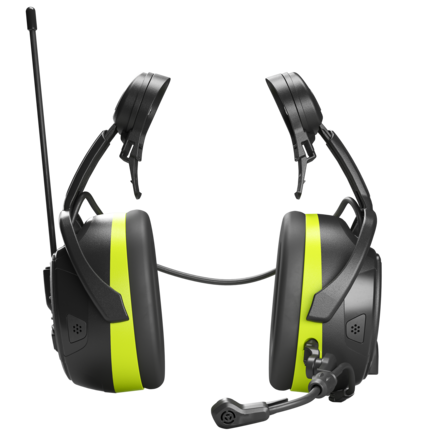
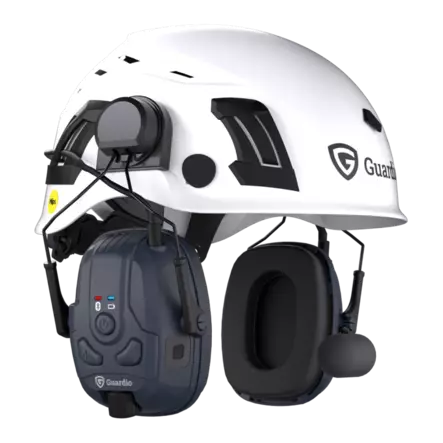
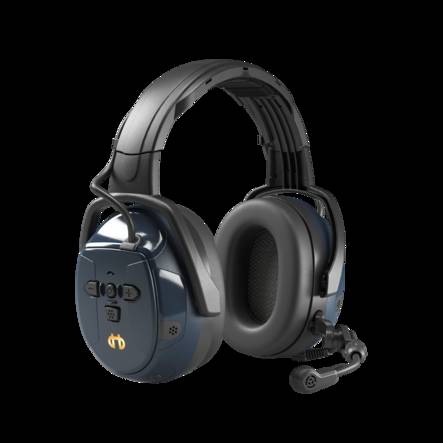
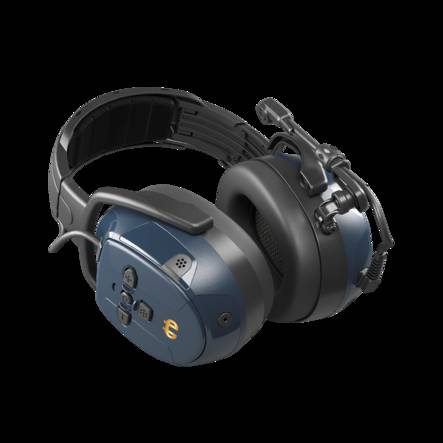
Hellberg Local 2 Hearing Protection on Helmet
1–2 weeks
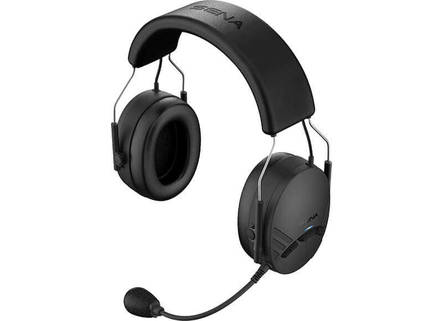
Electronic radio headsets with Bluetooth hearing protection keep teams connected and protected in high noise. Our selection includes 3M Peltor and 3M LiteCom, helmet-mounted earmuffs and electronic earplugs. Level-dependent attenuation, built-in radio and boom mic support clear instructions and safer workflows. Explore all hearing protectors in the parent category.
For construction sites, industry, shipyards. Typical tasks: sandblasting, maintenance, warehousing. Durable design, long battery life and EN 352 compliance suit daily use. Choose Bluetooth hearing protection with built-in radio or helmet-mounted electronic earmuffs with boom mic for hands-free operation. See more in Kuulosuojaimet.
Need assistance with product selection or a complete solution? Contact our sales or request a quote for your company.


1–2 weeks

1–2 weeks
1–5 business days


1–5 business days


1–5 business days

1–2 weeks

1–2 weeks


1–2 weeks
1–5 business days
1–2 weeks

1–2 weeks

1–2 weeks
1–2 weeks


In stock now

1–2 weeks

1–2 weeks

1–2 weeks

1–2 weeks

1–2 weeks

1–2 weeks


In stock now

This category covers electronic hearing protection with integrated radio or Bluetooth connectivity. It includes over-ear earmuffs, helmet-mounted models, and electronic earplugs for professional use. Typical options are level-dependent hearing protection, programmable radio headsets, and models such as 3M Peltor and 3M LiteCom for team communication. Explore the full range under Kuulosuojaimet.
They are designed for noisy environments requiring reliable communication and hearing protection. Common use cases include construction sites, industry, shipyards, maintenance workshops, logistics terminals, and during sandblasting or grinding. The aim is consistent safety, clear instructions, and reduced downtime in shifting noise conditions.
Ambient microphones and smart limiters keep speech and warning signals audible while reducing harmful noise peaks. Electronic filters maintain a safe level in the ear, so you can hear alarms and colleagues without removing your protection. This supports productivity and reduces error risk.
Bluetooth headsets pair with a phone, tablet, or radio adapter for calls and media. Radio headsets feature an integrated two-way radio or receiver for local channels without a phone. Combined models enable both phone calls and team radio. Choose based on site rules, range needs, and IT policies.
Many models are helmet-mounted or include adapters for common helmet slots. Slim cups and replaceable cushions improve seal with safety glasses and shields. Check the datasheet for helmet standards and accessory lists to avoid fit issues during shifts.
Match SNR/NRR to measured site noise and target 70–80 dB at the ear. Avoid overprotection that hides alarms and instructions. For variable noise, select level-dependent electronic earmuffs or electronic earplugs to balance protection and situational awareness across tasks.
Typical runtime is 8–36 hours depending on volume, Bluetooth, and radio use. Many professional units feature USB-C charging, quick-swap battery trays, or AA options for field work. For multi-shift operations, consider a charging dock and spare packs to avoid downtime.
Wipe surfaces daily with mild detergent, avoid solvents, and dry thoroughly. Replace hygiene kits and cushions every six months, or sooner in heat, dust, or heavy perspiration. Inspect seals, boom microphones, and cables. Proper care extends service life and preserves attenuation performance.
Look for EN 352 series for hearing protection, including parts covering level-dependent systems and communication. Radio and EMC approvals must match your region. Trusted brands like 3M Peltor and 3M LiteCom provide clear declarations and test data for audits and procurement.
Charge fully, clear old pairings, and enable pairing mode per the manual. Keep the phone within two meters, disable conflicting audio profiles, and update firmware. If audio stutters, reset the headset and test away from RF sources. For multi-point, add devices one by one and prioritize the work phone.
Yes. Choose a noise-cancelling boom mic, position it close to the mouth corner, and use a windscreen. On radio headsets, adjust VOX sensitivity or prefer PTT to avoid open-mic during impact noise. This secures clear calls in forklifts, compressor rooms, and metalwork areas.
Select helmet-mounted earmuffs when a safety helmet or faceshield is required. Use headband models for tasks without helmets or when frequent donning is needed between quiet and noisy zones. Electronic earplugs fit under helmets and welding shields with minimal bulk and steady attenuation.
Define your communication need: phone calls, two-way radio, or both. Verify SNR/NRR against site noise and consider level-dependent features for awareness. Check helmet compatibility, hygiene kit availability, and spare parts. For larger fleets, standardize on a platform such as 3M Peltor or 3M LiteCom to simplify training and maintenance. See our full Kuulosuojaimet assortment for compatible alternatives and accessories.
Use cases: machine operation, loading and unloading, installation work, inspection rounds, welding support, grinding and cutting. Sectors: construction sites, industry, shipyards, logistics, property services, maintenance. The goal is improved safety, fewer interruptions, and faster coordination between teams.
Electronic radio headsets with Bluetooth combine hearing protection, clear communication, and comfort for long shifts. They support safety briefings, reduce miscommunication, and help meet compliance requirements. Durable materials, replaceable cushions, and stable connectivity keep crews efficient in demanding conditions. Explore the category and choose a model that fits your workflow and PPE setup.
Need help selecting a headset for your team or site? Contact our sales or request a quote to build a consistent, serviceable solution across your operation.