Bump cap protections
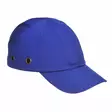
Keep teams safe from minor knocks with EN 812 bump caps built for professional use. These lightweight safety caps deliver reliable bump cap protection, breathable shells, adjustable sizing and replaceable liners—ideal where hard hats are not mandatory. A practical choice for EN 812–compliant bump cap use in warehouses and logistics.
Category contents
Range includes ventilated caps, short-peak models for tight spaces, hi-vis options and cap inserts. Suitable in construction sites, industry, shipyards and property management. Typical tasks: picking, low-clearance inspections, assembly and routine maintenance.
Explore related Päänsuojaus solutions or compare in Päänsuojaus. Need support with product selection or a complete solution? Contact our sales or request a company quote.


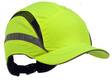
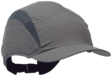
Splinter cap PS79 short cap
1–2 weeks

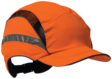
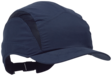
Impact cap 3M HC23 short cap
1–2 weeks


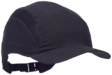
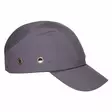
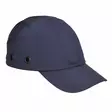
PW59 - Portwest Bump Cap
1–2 weeks


FAQ - bump cap protections for professional use
What is a bump cap and when should it be used instead of a hard hat?
A bump cap is a lightweight head protector that prevents minor bumps and scrapes from fixed objects. Choose it when your risk assessment rules out falling objects but identifies low ceilings, racking, or vehicle interiors. For falling-object risks, use an industrial helmet.
Do bump caps comply with EN 812, and what does the standard cover?
EN 812 certifies impact attenuation, penetration resistance, retention, and comfort. It does not address falling objects. Always verify the EN 812 marking on the label and technical datasheet before deployment.
Which work environments are suitable for bump caps?
They are effective in warehouses, logistics hubs, assembly lines, vehicle workshops, and food processing. They also suit inspections in facilities with overhead ducts or conveyors where only collision risks remain. For broader selection, see our Päänsuojaus category.
How do I choose the right model for my team?
Match the cap to the task. Short-brim designs aid upward visibility in tight aisles; long brims reduce glare outdoors. Ventilated shells improve comfort, while replaceable liners lower lifecycle cost. High-visibility covers and reflective details support site policies.
Are bump caps compatible with eyewear, masks, and hearing protection?
Yes. Select a slim-profile shell for earmuff clearance and ensure the brim does not clash with face shields. Test with your standard safety glasses to confirm a stable, pressure-free fit.
How should bump caps be cleaned and maintained?
Clean the inner shell with mild detergent. Wash the fabric cover per instructions and avoid solvents or high heat. Inspect regularly for cracks, UV wear, or loose adjusters. Replace the shell after any significant knock.
Can we add company logos to bump caps?
Yes. Many kolhulippalakki and kevyt suojalakki models accept embroidery or heat-transfer prints. Keep markings away from load-bearing plastic parts to preserve EN 812 compliance and warranty.
What are the limitations of bump caps?
Bump caps do not protect against falling objects, electrical hazards, or high heat. They are not a replacement for construction helmets. Use them strictly where iskusuoja against minor knocks is the identified need.
How do I fix poor fit, slipping, or pressure points?
Adjust the headband to sit level and snug. Try alternative padding or a dial-adjust system. Short-brim teollisuuslakki often improves upward clearance. For goggle fogging, choose ventilated shells or moisture-wicking covers.
When should bump caps be replaced?
Replace immediately after a heavy impact or visible damage. As guidance, plan a 2–3 year replacement in normal use, shorter with oil, chemicals, or strong sunlight. Review the manufacturer’s lifecycle notes in our Päänsuojaus section.
Bump cap protections: scope, benefits, and use cases
This category includes EN 812 bump caps, fabric-covered työlakki with internal shells, ventilated suojalakki for warm conditions, and short- or long-brim models. They improve day-to-day safety, reduce minor injuries, and support uninterrupted workflows where overhead impact risk is low but present.
Typical use cases include quick movements near racking, stepping into vehicle cargo areas, and adjustments under conveyors. In these tasks, a comfortable, lightweight solution encourages consistent wear. For broader PPE planning under Päänsuojaus, align bump caps with safety glasses, hearing protection, and high-visibility garments to create a coherent kit for your teams.
Examples of environments: on construction sites for supervision rounds, in industry during line changeovers, at shipyards during inspections, or in sandblasting areas only when falling-object risks are controlled and separate protection is provided as required.
Need a concise shortlist? Focus on EN 812 certification, shell ventilation, adjustment range, replaceable components, and visibility options. These criteria help buyers standardize models across sites and simplify stock management.
Need help selecting the right kolhulakit for your tasks and standards? Explore related head protection in Päänsuojaus and build a consistent PPE policy.
Need assistance with product selection or a complete solution? Contact our sales team or request a quote for your company.


In stock now